














The Fast Facts
- Lack of estrogen, during menopause or otherwise, can cause vaginal dryness.
- Lubricants can be used for mild to moderate cases of vaginal dryness.
- Good Clean Love and O Positiv’s Meno Vaginal Support Capsules are two vaginal lubrication products for menopause-related dryness.
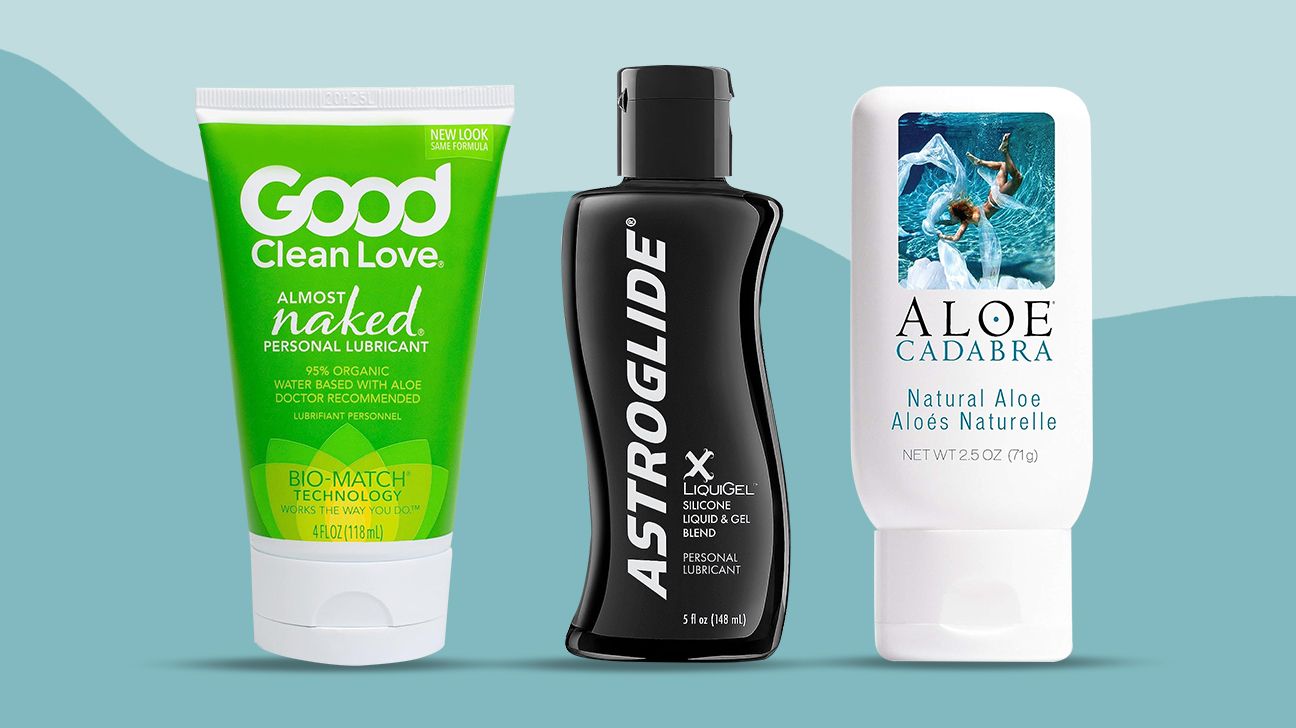
- Best vaginal lubricant for dryness: Good Clean Love Almost Naked Personal Lubricant | Skip to review
A lack of estrogen (causing vaginal dryness) can make intimacy uncomfortable — or even painful.
Lubricants can help. They work quickly and offer short-term relief from pain and dryness during sex. Here’s a look at some of the most common lubricants available, as well as the pros and cons of each.
| Product | Price | Size | Key ingredients | FDA-cleared? |
|---|---|---|---|---|
| Good Clean Love Almost Naked | $16.99 | 4 fl oz | aloe, agar, lactic acid, potassium sorbate | yes |
| Bonafide Revaree Suppositories | $63 | 10 suppositories, 2 g each | hyaluronic acid, sodium salt, semi-synthetic glycerides | yes |
| Astroglide X Silicone LiquiGel | $13.49 | 3 oz | dimethicone, cyclomethicone, coconut oil | yes |
| Aloe Cadabra Personal Lubricant & Moisturizer | $9.99 | 2.5 oz | aloe, vitamin E | yes |
| Replens Long-Lasting Vaginal Moisturizer | $16.98 | 14 applications and 1 reusable applicator | purified water, glycerin, mineral oil, sorbic acid, sodium hydroxide | yes |
| O Positiv Meno Vaginal Moisture Support Capsules | $31.99 | 60 capsules; 30 servings per bottle | ginkgo leaf extract, saffron extract, pueraria mirifica extract, fenugreek seed extract, maca root extract | n/a |
Medical PerspectiveWhat are some other ways to manage vaginal dryness if lubrication does not help?
If personal moisturizers don’t help your vaginal dryness, low dose vaginal estrogen (available as creams, tablets, or rings) is highly effective and works directly where you need it, or you can try other prescription options like vaginal DHEA or oral ospemifene (a pill taken daily).
Talk with your healthcare professional about which option is best for you.
Quotes represent the opinions of our medical experts. All content is strictly informational and should not be considered medical advice.
Water-based lubricants
Water-based lubes are good for reducing friction. This type of lubricant can make sex more comfortable for people with vaginal dryness from menopause.
In general, water-based lubricants are less likely to irritate the vagina than silicone lubes, but they may dry up more quickly.
In a 2023 study, participants who used water-based lubricants for 4 weeks reported less vaginal dryness and more arousal, lubrication, and sexual satisfaction. They were also more likely to reach orgasm.
The best water-based lubricants have a pH and osmolality similar to the vagina’s natural environment, according to a different 2023 study.
Pros
- won’t damage latex condoms
- less likely to cause vaginal discomfort than oil-based lubricants
- washes off easily with soap and water
- safe to use and easy to find in stores
- odorless, colorless liquid
Cons
- can dry up quickly; may need to be reapplied often
- doesn’t work in water and is not effective for sex in a shower or pool
- can contain preservatives and additives such as glycerin and parabens
- may irritate the sensitive vaginal tissues or cause yeast infections in some people
Silicone-based lubricants
Silicone is a type of polymer. It has an oil-like consistency, which makes it work as a vaginal lubricant. Silicone-based lubes often contain ingredients like dimethicone, dimethiconol, and cyclomethicone.
The slippery feel of silicone lubes and their ability to last longer without drying out are advantages over water-based lubricants.
In a
Pros
- offers the greatest amount of lubrication
- will not dry out during sex
- keeps working in water
- will not affect latex condoms
- less likely to irritate you than water-based lubricants
Cons
- can be expensive
- can be hard to find in stores
- can be difficult to wash off fully with soap and water
- may leave a sticky residue on your skin
Oil-based lubricants
These lubricants come in two types: natural plant oils like coconut, olive, or almond oil and store-bought oils like mineral oil and Vaseline.
The advantages of oil-based lubes include their low cost, safety, and effectiveness.
In a
Oil-based lubricants are not without downsides — they may irritate skin and stain fabric.
Vaseline can actually introduce bacteria that cause infections. For instance, a small study found that women who used Vaseline as a lube were twice as likely to test positive for bacterial vaginosis.
Oil-based lubes are also not recommended for use with condoms because they can damage the condom, making them less effective at preventing STDs and pregnancy (if you still get periods).
Pros
- lasts longer than water-based lubes
- works in water
- doesn’t contain irritating preservatives and other additives
- safe for polyurethane condoms
Cons
- can damage latex condoms
- certain oil-based vaginal lubricants — including petroleum jelly and baby oil — can increase your risk for a urinary tract infection
- can stain sheets, underwear, and other fabrics
Lubricants are intended for temporary use during sex to relieve dryness.
If vaginal dryness is an issue beyond sex, you may want to consider a vaginal moisturizer. These products are intended for longer-term relief from dryness. They may have similar pros and cons to the different types of lubricants listed above, depending on their ingredients.
They come in gels, creams, or beads and suppositories.
2019 study
The North American Menopause Society
Vaginal lubricants work best for mild to moderate vaginal dryness.
If your dryness is more severe or a lubricant does not help, it’s wise to see a gynecologist or a primary doctor. You may need an estrogen cream or pill. Or, you may have an underlying medical condition that needs to be treated.